

how-hard-is-water-in-malta?
If you've ever noticed white deposits on your taps, cloudy shower screens, or a kettle that quickly fills with limescale, you're not alone. Hard water is one of the most common challenges faced by homeowners across Malta.
A Complete Homeowner's Guide

If you've ever noticed white deposits on your taps, cloudy shower screens, or a kettle that quickly fills with limescale, you're not alone. Hard water is one of the most common challenges faced by homeowners across Malta.
While hard water is generally safe to drink, its high mineral content can have a significant impact on plumbing systems, household appliances, energy efficiency, and everyday cleaning. Understanding why Malta has hard water—and what you can do about it—can help you protect your home and reduce long-term maintenance costs.
What Is Hard Water?
Hard water contains naturally occurring minerals, primarily calcium and magnesium. As water moves through underground rock formations, it dissolves these minerals and carries them into the water supply.
The higher the concentration of calcium and magnesium, the harder the water becomes.
Hard water is not considered unsafe to drink, but it can lead to a variety of household issues, especially when used for heating, washing, and cleaning.
Why Is Water Hard in Malta?
Malta's geology is largely composed of limestone, a sedimentary rock rich in calcium carbonate. As groundwater passes through these limestone formations, it absorbs calcium and magnesium, increasing its hardness.
In addition, Malta supplements its water supply with desalinated seawater. While desalination removes salts, the treated water is blended and conditioned before distribution. Depending on the area and local supply conditions, homeowners may still experience moderate to very hard water, contributing to limescale formation in homes.
The result is that many properties across Malta regularly experience hard water and its associated effects.
How Is Water Hardness Measured?
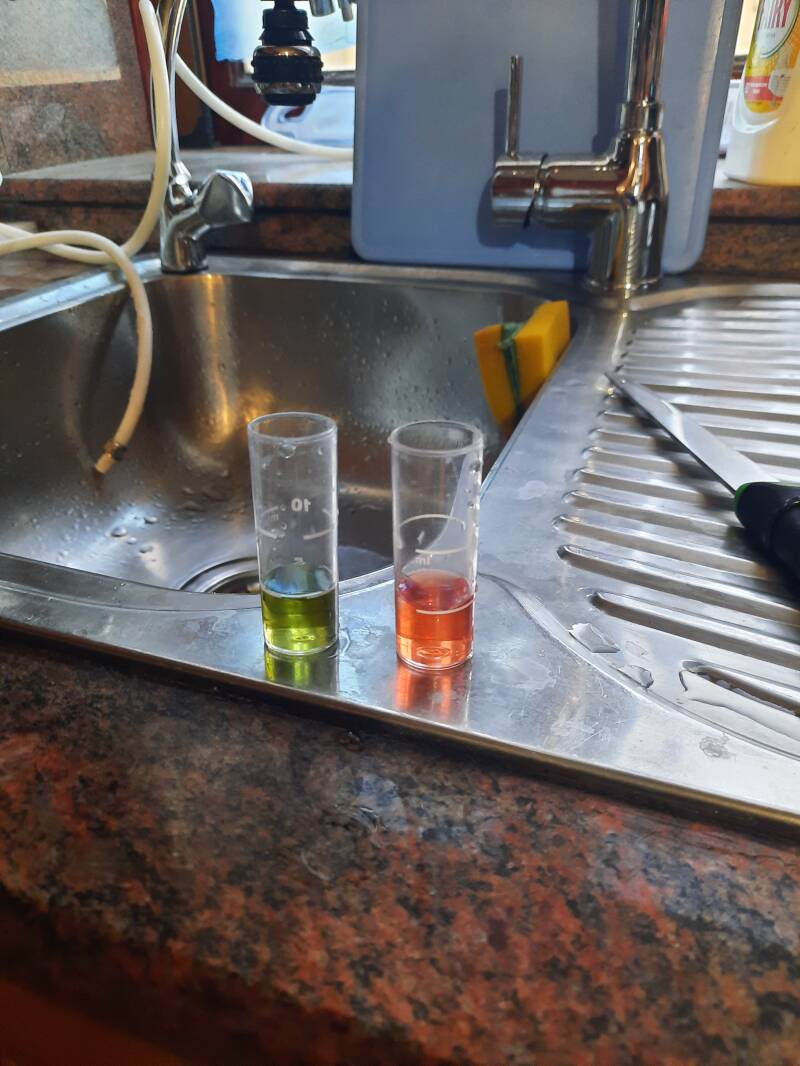
Water hardness is commonly measured in several different units:
- Parts per million (ppm)
- Milligrams per litre (mg/L)
- Degrees French (°f)
- Degrees German (°dH)
- Grains per gallon (gpg)
Although different measurement systems exist, the principle is the same: the higher the concentration of calcium and magnesium, the harder the water.
A simple water hardness test performed by a qualified professional can determine the hardness level in your home.
Signs You Have Hard Water
Many homeowners recognise hard water by its visible effects rather than by laboratory measurements.
Common signs include:
- White limescale deposits on taps and showerheads
- Cloudy glassware after washing
- Soap that doesn't lather easily
- Dry skin after showering
- Hair that feels dull or difficult to manage
- White residue on tiles and shower screens
- Kettles that accumulate scale quickly
- Reduced efficiency of water heaters
- Frequent appliance maintenance
If you notice several of these signs, hard water is likely contributing to the problem.
How Does Hard Water Affect Your Home?
Plumbing Systems
Over time, mineral deposits can accumulate inside pipes, gradually reducing water flow and increasing the likelihood of maintenance issues.
Water Heaters and Boilers
Limescale forms on heating elements, reducing heat transfer efficiency and causing systems to consume more energy.
Household Appliances
Dishwashers, washing machines, coffee machines, kettles, and other water-using appliances are all vulnerable to mineral buildup, which can shorten their lifespan and increase repair costs.
Bathrooms and Kitchens
Hard water leaves stubborn white stains on taps, sinks, shower screens, and tiles, making cleaning more difficult and time-consuming.
Laundry
Minerals in hard water reduce detergent effectiveness, leaving fabrics feeling stiff and causing colours to fade more quickly.
Is Hard Water Harmful to Your Health?
For most people, hard water is perfectly safe to drink.
In fact, calcium and magnesium are essential minerals that contribute to a balanced diet. However, the amounts present in drinking water vary and should not be relied upon as a primary nutritional source.
Some people find that hard water leaves their skin feeling dry or their hair less manageable, but these effects are cosmetic rather than medical and vary from person to person.
How Can You Reduce the Effects of Hard Water?
Although hard water is common in Malta, there are effective ways to minimise its impact.
Install a Water Softener
A salt-based water softener removes calcium and magnesium using ion exchange technology, helping to reduce limescale throughout the home.
Benefits include:
- Cleaner plumbing
- Longer-lasting appliances
- Lower energy consumption
- Easier cleaning
- Softer laundry
- Reduced detergent use
Maintain Appliances Regularly
Descaling kettles, coffee machines, and water heaters according to the manufacturer's recommendations can help maintain efficiency.
Use Appropriate Cleaning Products
Specialised limescale removers can help remove existing mineral deposits from taps, showerheads, and bathroom surfaces.
Is a Water Softener Worth It in Malta?
For many homeowners, installing a water softener is one of the most effective long-term solutions to hard water.
A properly sized system can:
- Protect plumbing
- Reduce appliance maintenance
- Improve heating efficiency
- Minimise limescale buildup
- Lower detergent consumption
- Extend the lifespan of household equipment
The value of a water softener depends on your household's water usage, local water hardness, and long-term maintenance priorities.
Frequently Asked Questions
Does all of Malta have hard water?
Water hardness can vary between locations and over time due to differences in water sources and distribution. However, many homes across Malta experience hard water and the effects of limescale.
Can hard water damage appliances?
Yes. Over time, limescale can reduce the efficiency of appliances such as kettles, dishwashers, washing machines, boilers, and water heaters, potentially shortening their service life.
Is hard water bad for plumbing?
Hard water can contribute to mineral deposits inside plumbing systems, which may reduce water flow and increase maintenance requirements over time.
What's the best solution for hard water?
For whole-house treatment, many homeowners choose a salt-based water softener to reduce calcium and magnesium before the water reaches taps and appliances.
Final Thoughts
Hard water is a fact of life for many households in Malta. While it is generally safe to drink, its high mineral content can lead to persistent limescale, higher energy consumption, increased appliance wear, and more frequent maintenance.
Understanding the causes and effects of hard water allows homeowners to make informed decisions about protecting their property. Whether through regular maintenance or the installation of a water softener, taking proactive steps today can help reduce costs and improve household efficiency for years to come.